Myanmar's kyat hits 4,750 to the dollar
On 15 October the kyat slid to 4,750 per US dollar on the open market. A 9,000 billion kyat budget hole, talk of new banknotes, and a rush into dollars and gold.
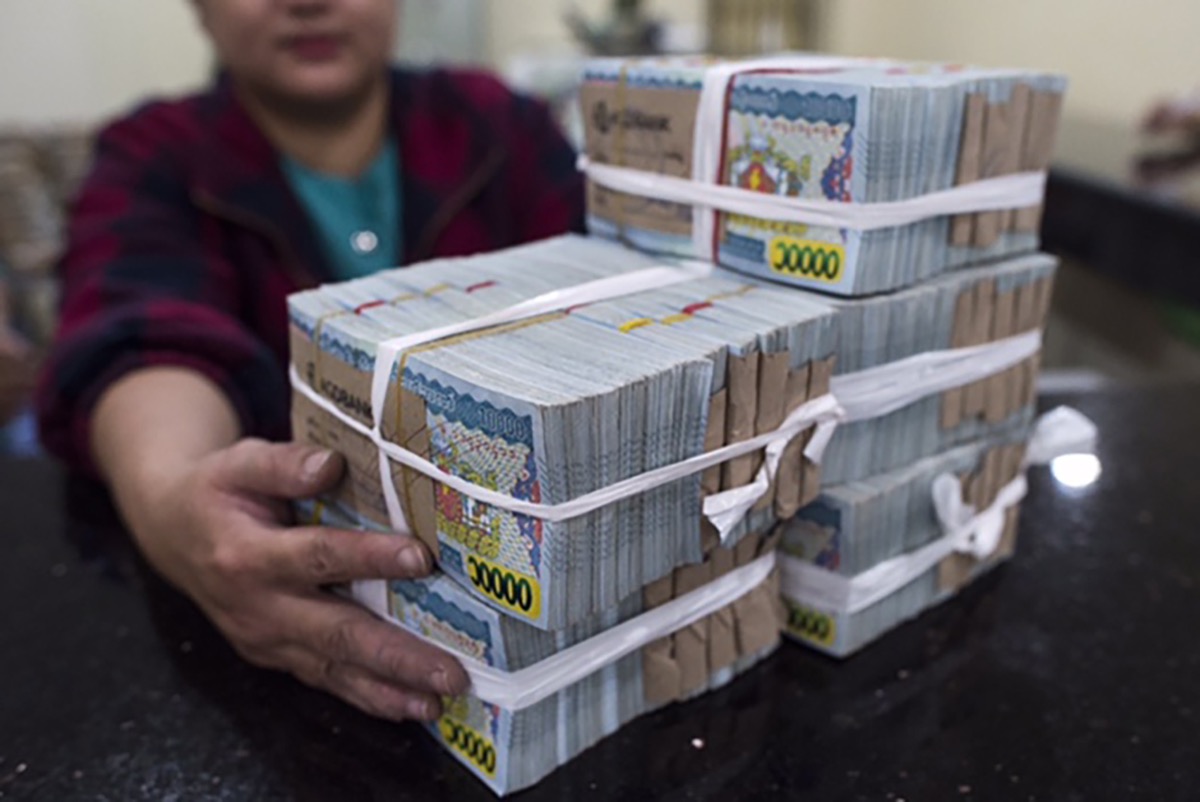
Yangon, 15 October: Myanmar's kyat slid to 4,750 per US dollar on the open market today, its latest leg down in a slow-motion currency collapse.
The kyat closed around 4,630 on the evening of 14 October. It opened near 4,650 this morning and kept falling through the day, hitting 4,750 by about 2 p.m., according to a source at the Union of Myanmar Federation of Chambers of Commerce and Industry (UMFCCI). That's roughly a 2.6% drop in under 24 hours.
Why the kyat is falling
There's no single trigger. The UMFCCI source points to several pressures stacking up at once.
A 9,000 billion kyat budget hole. The military government has officially announced a deficit of nearly 9,000 billion kyat for the 2026-27 fiscal year. It plans to borrow 2,100 billion directly from the central bank and cover the rest by selling treasury bonds and bills.
Talk of new banknotes. Reports that fresh currency will be printed have fed fears that the deficit will simply be paid for with new money.
Construction has stopped. Major housing projects, including The Central, The Park and Emerald Bay, have halted. Many were financed with bank loans, putting pressure on the banking system.
An import shutdown. With imports blocked, fuel prices are climbing, which pushes up transport costs and the price of nearly everything else.
The result, as the source put it, is that the kyat is losing value by the day and business has almost ground to a halt. People are rushing into dollars and gold.
Gold moves the other way
Global gold prices are falling, but in Myanmar gold is going up. Heavy buying and the dollar's rise have pushed 16-pe pure gold to about 10,350,000 kyat (103.5 lakh) per tical.
Gold shops have stopped selling over the counter. What trading remains happens privately between people who know each other. A gold trader on Shwebontha Street in downtown Yangon said many dealers are staying away from the market altogether, afraid of arrests now that prices are soaring.
What it means on the ground
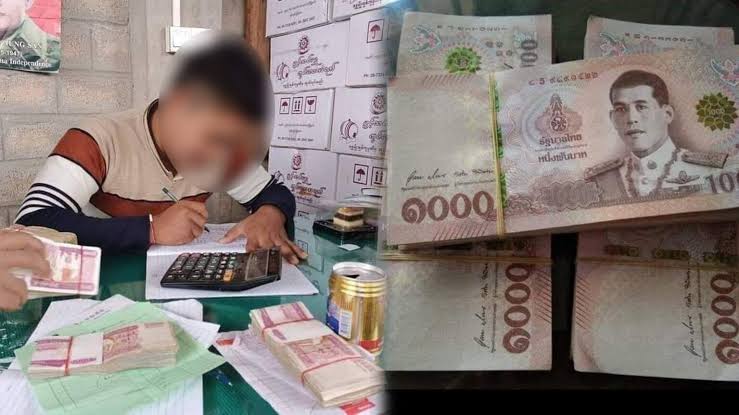
For ordinary people, a falling kyat means wages and savings buy less every week. Fuel, food and transport all cost more, and the escape routes are narrowing: dollars are scarce, gold shops won't sell, and buying either can draw unwanted attention.
Those who can't get out of the kyat absorb the loss. That usually means workers, small traders and families with savings held in cash.
The sound money lesson
Myanmar is a textbook case of what happens when a government can fund itself by creating money. A deficit covered by central bank loans and new banknotes is a tax on everyone holding the currency, collected without a vote.
People reach for dollars and gold because they can't be printed in Naypyidaw. But both have limits: dollars depend on access to a banking system the state controls, and gold is heavy, easy to seize, and now hard to buy at all.
This is where Bitcoin enters the conversation. Its supply is fixed at 21 million and no government can inflate it. It can be held with a memorized seed phrase and sent across borders without a bank. For people in Myanmar, Bitcoin is not a cure-all. It's volatile in the short term, internet access is uneven, and holding it carries its own risks. But it offers something the kyat no longer does: money that someone else can't quietly devalue.
The kyat's slide isn't over. The deeper question is how many more people in Myanmar will look for a way out of it, and what they'll choose.
Note: This piece draws on news reporting and figures available at the time of writing.